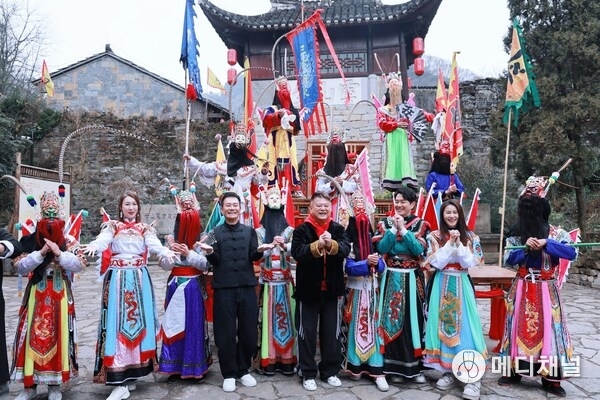
[ 메디채널 김장윤(JASON KIM) 기자 ] Invited to mark the arrival of spring, a group of artists traveled through villages and historic sites in southwest China, encountering rituals, landscapes, and everyday traditions along the way.
GUIYANG, China, Feb. 11, 2026 -- As spring arrived in Guizhou in early February, a group of Hong Kong artists found themselves traveling through the province, moving between historic towns, village rituals, and shared meals tied to the rhythms of the season. Their journey, timed to Lichun—the traditional Beginning of Spring—took shape across several days and locations, offering a close look at how local customs, landscapes, and everyday life intersect at the turning of the year. The artists, including Natalis Chan Pak-Cheung, Eddie Cheung Siu-fai, Edwin Siu Ching Nam, Priscilla Wong Tsui-yu, and Jacquelin Ch'ng Se Min, were taking part in a "Fortune"-themed itinerary introduced in Guiyang at the 2026 Spring Tourism Product Promotional Conference, hosted by Guizhou Tourism Industry Development Group.
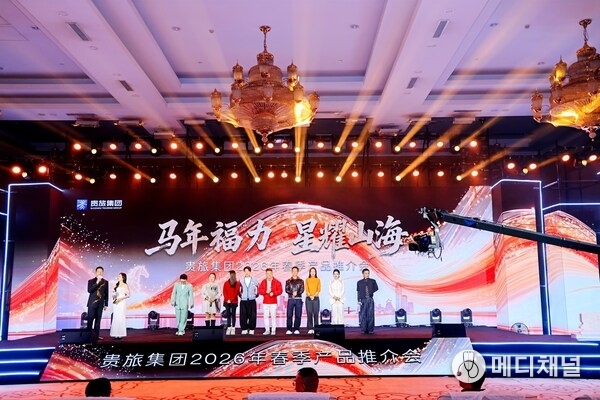
During the days leading up to the Spring Festival, the artists traveled through Guizhou as blessing rituals and seasonal customs came into focus across the province. Their journey, which ran from February 3 to 6, moved through a series of settings tied to ideas of fortune and renewal, from hands-on craft traditions to shared meals shaped by ritual practice. At Colorful Guizhou City, they moved between expressions of different ethnic cultures, cutting "Fu" characters from paper, learning traditional batik techniques, preparing matcha, and sitting down to a meal inspired by the ceremonial traditions of Nuo opera. Several Guizhou dishes, each associated with good fortune and blessings, stood out as among the most memorable parts of the experience.
At Yunfeng Tunpu, on the outskirts of Anshun, stone-walled lanes and squat watchtowers give the village the feel of a place suspended in time, their origins tracing back to the Ming era. Shaped by more than six centuries of military garrison history and the traditions of Dixi, or ground opera, the setting drew the artists into its rhythms almost immediately. They painted masks, put on traditional costumes, and stepped into Dixi performances themselves, later describing Yunfeng Tunpu as "a living history book" that offers a tactile sense of how China's traditional culture continues to endure.